
Geoeconomic ADVISORY · Helsinki and Brussels
We have entered the era of geoeconomics. We help you build for it.
The Economic Security Forum (ESF) is an independent geoeconomic advisory and analytics company for boards, executive teams and governments. Trade, investment and technology are now instruments of state power. We show where that reaches your organisation, and build the capability to act on it.
Analysts quoted in The Wall Street Journal, Yle and Talouselämä · Founded by Dr. Mikael Wigell
What we do
From exposure to advantage
We help you understand the big shifts in your operating environment, diagnose your exposure and your openings in detail, and build the findings into strategy and operations. Six services on one framework, the ESF Corporate Geoeconomic Framework, so what we find in one carries into the next, and the approach fits where you stand today.
Give your leadership a shared geoeconomic language
The Geoeconomic Leadership Programme: in-house and tailored to your sector, built around a simulation that stress-tests your own strategy against plausible futures.
Explore the programmeKnow where you are exposed, and how defensible you are
The Geoeconomic Fitness Test, the Geoeconomic Moat Assessment and the Supply Chain Exposure Assessment give you a scored, evidence-based read of where you stand.
Explore the diagnosticsTurn findings into decisions, and stay ahead as the picture moves
Strategic Advisory turns geoeconomic shifts into strategic decisions. Continuous Monitoring keeps your read current.
Explore advisoryWhere to start
From a completed assessment
15%
Assumed direct China exposure: what the supplier register showed
85%
Exposure in the critical input, three tiers upstream
The gap between the two numbers is the exposure no traditional supplier register can show you.
Live intelligence
Which European companies are investing in the United States, and which are pulling back?
The Corporate Response Tracker follows STOXX Europe 600 companies as they invest in the US or pull back from it. See who in your sector is moving, and in which direction.
Full access adds sector exports, historical trends and email alerts.
Who you work with
Judgement you can put a name to
Our people have worked at NATO, the OECD, the International Energy Agency, Finland’s National Emergency Supply Agency and global companies.




In their words
Companies, ministries and financial institutions in one room
They meet in the Nordic Economic Security Programme (NESPO), a trusted Nordic platform for shared, cross-sectoral situation awareness on geoeconomic trends. This is what they said.
I personally think that the entire NATO region should be an area of free trade, an integrated transatlantic economy which strengthens not only our prosperity, but also our collective security.”
“We see a revival of Nordic cooperation, and this is a great opportunity. Strong dialogue on strategic investments is needed for a more resilient future.”
“As a representative of one of the strategic industries, we are thrilled to announce Orion's participation in this one-year project … Together, we can build a stronger, more resilient future.”
“It was a very rewarding afternoon in Helsinki. Looking forward to additional contacts and follow up!”
The shift
From market capitalism to strategic capitalism
Your biggest competitive risk is no longer a competitor. It is a decision taken in a capital where you have no vote.
Under strategic capitalism, states treat markets as instruments of strategic advantage, not just efficiency. It is neither the open markets of peak globalisation nor China's state-directed model. It is a hybrid: governments steer strategic sectors and leave the rest to competition.
Geoeconomics is the toolkit this produces: trade, investment screening, export controls and subsidies, deployed to advance strategic goals. These are not tail risks. They are the operating environment.
Corporate Geoeconomics is the discipline of reading that environment and acting in it. You have geoeconomic agency. The shift creates as much opportunity as risk, and the companies that turn their dependencies into leverage and resilience will pull ahead of those that do not.
Five forces drive the shift
Five structural forces are reshaping the operating environment for every organisation. Each opens room for those who read it early.
Weaponisation
Interdependence is being used as coercion, and your dependencies become someone else’s leverage. The exposure is often indirect, several tiers away, and arrives with little warning.
Securitisation
Governments now treat economic questions as security questions, reaching into who owns you, who you sell to and where you operate.
Digitalisation
Data, compute and AI create value and dependency at once, and the technology stack you build on, often controlled from another jurisdiction, is becoming a strategic choice.
Decarbonisation
The energy transition relocates dependencies instead of removing them: to critical minerals, clean-tech supply chains and carbon border rules that turn climate policy into trade policy.
Fragmentation
The global economy is splitting into rival blocs, ecosystems and standards, so your addressable market is set by regulation and alignment, not geography.
ESF in the media
In the press, on stage, on social media
ESF’s analysts are regularly quoted, interviewed and invited to speak on how economic power is reshaping business and politics.


Latest from ESF

The Age of Geoeconomics
Governments increasingly use trade, investment and finance to pursue strategic goals. The book shows how geoeconomics is replacing market economics, and what that means for business.
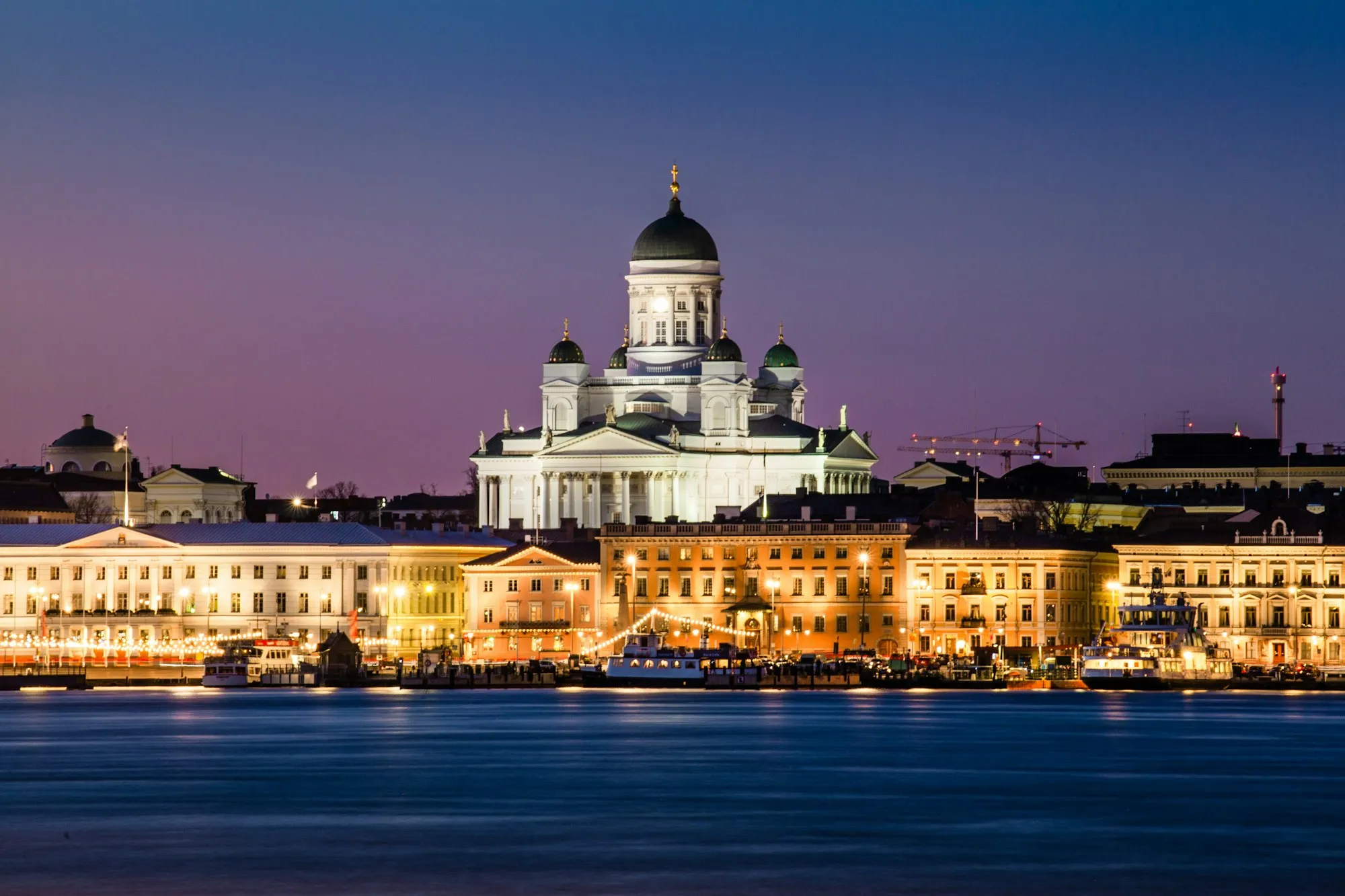
NESPO Forum with the Nordic Investment Bank
ESF presents its Nordic Strategic Competitiveness Report.
Economic Security Forum opens Brussels office
Led by former NATO Defence Economist Dr. Edward Hunter Christie, the office places ESF where Europe's economic security response is being designed.
Bring us the decision in front of you.
We scope every engagement with you before any commitment. Where the work is phased, you decide on each next step only once you have seen the results of the last.